
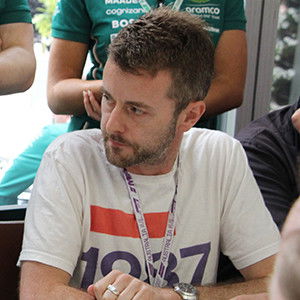

The 63-year-old, who took office in 2021, is seeking a second four-year term at the FIA’s General Assemblies in Uzbekistan on December 12.
Despite three declared challengers — former F1 steward Tim Mayer, Swiss racer Laura Villars, and Belgian TV presenter Virginie Philippot — the rules appear to have locked out any competition.
FIA election regulations require each presidential hopeful to submit a full “presidential list” by October 24, including nominees for senior roles and seven vice presidents for sport, each representing one of the FIA’s global regions. Those vice presidents must come from a list of candidates eligible for the World Motor Sport Council (WMSC).
That list, published this month, includes only one eligible South American — Fabiana Ecclestone of Brazil, who already sits on Ben Sulayem’s ticket.
With WMSC candidates barred from appearing on multiple presidential lists, no other contender can now satisfy the regional quota, effectively handing Ben Sulayem another term by default.
The outcome leaves Mayer, who has spent months campaigning around the world with his “FIA Forward” platform, unable to qualify for the ballot.
Secure your spot today.
“I recently spent a few, extremely busy days in South America visiting our member clubs in Chile, Bolivia and Argentina,” Mayer said in a campaign update.
“The welcome was warm in each country… but my visit further reinforced FIA Forward’s opinion that the FIA needs to provide unique solutions to each region’s unique challenges.”
Despite those efforts, the lack of an eligible South American nominee has proven decisive. The FIA’s nomination deadline for WMSC candidates expired on September 19, leaving no way for other names to be added.
All 11 South American motorsport federations had already declared support for Ben Sulayem earlier this year in a joint letter also signed by Ecclestone, underlining the incumbent’s regional strength.
Ben Sulayem’s presidency has divided opinion. Supporters point to improved financial stability and post-pandemic recovery, while critics have accused him of centralising too much power and operating with limited transparency.
His tenure has also been marked by high-profile resignations, including those of CEO Natalie Robyn, technical director Tim Goss, and sporting director Steve Nielsen, as well as deputy president for sport Robert Reid earlier this year.



















Discussion about this post